
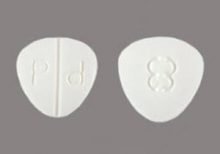
Fioricet 40mg
Price range: $184.08 through $654.90
Premium Fioricet 40mg tablets. Trusted for ADHD treatment. Order today for fast, discreet delivery from EasyMedStore.
Fioricet 40mg Capsules – Prescription Relief for Tension and Stress Headaches
Fioricet 40mg is a trusted prescription combination medication used for managing tension-type headaches, muscle contraction headaches, and associated pain symptoms. It contains butalbital (50mg), acetaminophen (300mg), and caffeine (40mg) per capsule. Butalbital works as a central nervous system depressant, relaxing muscle contractions involved in tension headaches. Acetaminophen offers analgesic and antipyretic effects, while caffeine boosts the effectiveness of acetaminophen and improves blood flow. This combination provides fast and strong headache relief when standard over-the-counter medications fail. Fioricet is not for continuous or daily use due to dependency risks.
What is Fioricet 40mg Used For?
Fioricet 40mg is primarily prescribed for tension headaches, which are often caused by muscle contractions in the head or neck. It is sometimes used off-label for migraines or chronic daily headaches, particularly in cases where other treatments have not worked. However, it is not a first-line treatment for migraines due to the potential for dependency from butalbital.
Fioricet 40mg Dosage and Administration
The usual adult dose is 1 capsule every 4 hours as needed, not exceeding 6 capsules in a 24-hour period. It should not be used continuously for long periods. Avoid exceeding daily acetaminophen limits to prevent liver damage. Long-term users may need to taper off gradually under medical supervision to avoid withdrawal symptoms.
Fioricet 40mg Effects and Side Effects
Common effects include muscle relaxation, pain relief, and mild stimulation from caffeine. Side effects may include dizziness, drowsiness, nausea, and fatigue. Serious risks include dependency, rebound headaches, liver toxicity (especially with alcohol), and respiratory depression when mixed with other CNS depressants.
How Long Does Fioricet 40mg Take to Work?
Fioricet typically begins to work within 30 to 60 minutes after oral intake. Peak effects occur within 2 hours and may last up to 6 hours. The sedative effects of butalbital may last longer than pain relief.
Is Fioricet 40mg Strong?
Yes. Fioricet 40mg is considered moderate to strong, particularly for treating tension headaches. It provides muscle relaxation and mild sedation, making it more potent than standard OTC headache medications. However, its strength also comes with increased risk of side effects and dependence.
Fioricet 40mg vs Fioricet 50mg
Fioricet 40mg and Fioricet 50mg are often misunderstood. The standard formulation contains 50mg butalbital, 300mg acetaminophen, and 40mg caffeine. The “40mg” typically refers to the caffeine content, while “50mg” refers to the butalbital. In most cases, they are the same formulation labeled differently. Both offer the same level of relief for tension headaches.
Fioricet 40mg vs Fioricet with Codeine
Fioricet with Codeine includes an additional 30mg of codeine phosphate, making it stronger and more suitable for severe headaches or migraines involving intense pain. However, adding codeine increases the risk of opioid-related side effects like dependency and sedation. Fioricet without codeine is usually preferred unless the pain is unmanageable with the base formulation.
Fioricet 40mg vs Excedrin
Excedrin contains acetaminophen, aspirin, and caffeine and is available over the counter. It is effective for mild to moderate headaches, including migraines. Fioricet includes butalbital, which Excedrin does not, making it more effective for tension or muscle-related headaches. Fioricet is better for patients who experience stress-related headaches involving muscle tightness.
Fioricet 40mg vs Tylenol (Acetaminophen)
Tylenol contains only acetaminophen, a mild pain reliever. Fioricet adds butalbital and caffeine, giving it stronger pain-relieving and muscle-relaxing effects. While Tylenol is safe for long-term use, Fioricet is reserved for short-term, severe episodes and requires more cautious administration.
Fioricet 40mg vs Tylenol with Codeine
Tylenol with Codeine contains acetaminophen and codeine, an opioid painkiller. Fioricet does not contain opioids but includes butalbital, which provides sedative effects. Tylenol with Codeine may be more suitable for generalized pain, while Fioricet is better for tension-type headaches with muscle tightness.
Fioricet 40mg vs Imitrex (Sumatriptan)
Imitrex is a triptan specifically used to treat migraines by narrowing blood vessels and reducing inflammation. Fioricet is not migraine-specific but is effective for tension headaches and those with muscle-related causes. Imitrex is often better for true migraines, while Fioricet is better for headaches triggered by stress or muscle tension.
Fioricet 40mg vs Fiorinal
Fiorinal contains aspirin, butalbital, and caffeine. Fioricet substitutes aspirin with acetaminophen, making it gentler on the stomach. Fioricet is ideal for patients who cannot tolerate NSAIDs like aspirin. Both medications offer similar benefits but are prescribed based on the patient’s medical profile.
Can I Take Fioricet 40mg With Food?
Yes. Fioricet can be taken with or without food. Taking it with food may help reduce nausea or stomach upset, though it may slightly delay absorption.
Is Fioricet 40mg a Controlled Substance?
Fioricet (without codeine) is not classified as a controlled substance under federal law, though butalbital is a barbiturate and monitored in many states due to abuse potential. Fioricet with codeine is a Schedule III controlled substance.
Long-Term Use and Dependency Risk
Fioricet should not be used for long-term or daily treatment. Chronic use increases the risk of rebound headaches, liver damage, physical dependence, and withdrawal symptoms like anxiety and insomnia. Always consult your doctor if Fioricet is needed frequently.
Frequently Asked Questions (FAQ)
Q1: Can I use Fioricet 40mg every day? No. Daily use increases the risk of dependence and rebound headaches. It’s intended for short-term relief.
Q2: How long does Fioricet 40mg last? Effects last 4 to 6 hours, but drowsiness may linger.
Q3: Can I take Fioricet with alcohol? No. It increases the risk of liver damage and severe sedation.
Q4: What are signs of Fioricet withdrawal? Anxiety, tremors, sleep issues, and irritability.
Q5: Is Fioricet safe during pregnancy? It is not generally recommended during pregnancy.
Q6: Can I drive after taking Fioricet? Avoid driving until you know how it affects you. Drowsiness is common.
Q7: What if I miss a dose? Since it’s taken as needed, just wait until the next episode. Don’t double the dose.
Q8: Is Fioricet used for migraines? Sometimes, but not as a first-line treatment.
Q9: Does Fioricet contain opioids? Not unless combined with codeine.
Q10: What should I do in case of overdose? Seek emergency help immediately. Overdose symptoms include extreme drowsiness, confusion, and liver damage.
| Quantity | Quantity|120 tabs, Quantity|30 tabs, Quantity|60 tabs, Quantity|90 tabs |
|---|
Related products
Buy Alprazolam Online
Buy adderall online
Buy adderall online
Buy Cialis Online
Buy adderall online
Buy Carisoprodol Online
Buy Carisoprodol 350mg Online – Fast Shipping | EasyMedStore
Buy Alprazolam Online
Buy Alprazolam Online