
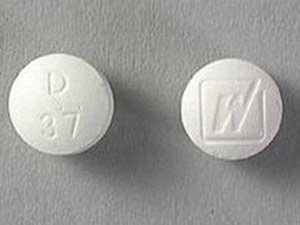
Demerol 50mg Tablets – Fast‑Acting Relief for Moderate Acute Pain
Demerol 50mg tablets contain meperidine hydrochloride, a potent synthetic opioid analgesic prescribed for short‑term relief of moderate acute pain when other non‑opioid options are inadequate. Meperidine is effective post‑surgery, for traumatic injuries, or in emergency settings requiring rapid onset pain relief. As a lower dose within the Demerol family, 50mg allows for better titration in opioid‑naive patients and those with increased sensitivity due to age or organ function concerns. Use of this strength should always follow strict medical guidance due to risks from its metabolite normeperidine, especially with repeated use.
What is Demerol 50mg Used For?
Demerol 50mg is used in acute pain settings including minor surgical procedures, dental work, musculoskeletal injuries, or breakthrough pain episodes. It is often selected for its rapid onset when non‑opioids are ineffective. It is not appropriate for long‑term pain management because of the elevated risk of neurotoxicity (normeperidine accumulation), dependency, and diminished safety margin in vulnerable populations.
Demerol 50mg Dosage and Safe Administration
Typical adult dose is 50mg every 3 to 4 hours as needed when pain is moderate. For opioid‑naive patients or elderly individuals, starting at lower doses and observing for effectiveness and side effects is essential. Total daily dose should not exceed 600mg within 24 hours. Duration of therapy should be limited to no more than 48 hours to minimize the risk of normeperidine buildup. Renal or hepatic impairment requires dose reduction, extended intervals, and close monitoring. Meperidine and its active metabolite are excreted renally; poor renal clearance significantly increases risk of adverse events. Concomitant use with other CNS depressants or MAO inhibitors is contraindicated.
Pharmacokinetics & Normeperidine Risk
Meperidine has an oral bioavailability around 50%, a half‑life in healthy adults of about 3‑8 hours; its metabolite, normeperidine, has a much longer half‑life (~15‑30 hours under normal conditions) and is neurotoxic. Liver metabolism via CYP3A4 and CYP2B6 is required; in liver disease or cirrhosis, both meperidine and normeperidine clearance are reduced, prolonging risk. Accumulation of normeperidine leads to increased risk of seizures, agitation, tremors, and CNS excitation even at therapeutic doses when used over time or in compromised patients.
Is Demerol 50mg Strong Enough for My Pain?
Demerol 50mg is moderately strong and suitable for short-term use in patients who are either new to opioids or experiencing less intense pain. It is often the first dose prescribed before escalating to 100mg. While effective, it is not recommended for chronic pain conditions or pain requiring sustained-release opioids due to its short duration and neurotoxic metabolite risks.
Guidelines & Limitations of Use
Clinical guidelines (e.g., StatPearls, Drugs.com dosage monographs) advise that meperidine use be reserved for acute pain when alternatives are insufficient, limit duration to 48 hours, and cap total daily dose at ~600mg. Oral route is discouraged for prolonged therapy; in renal impairment, doses often reduced by 25‑50%, and total daily dose further limited. In geriatrics, hepatic disease, or those with seizure disorders, caution is paramount and alternative analgesics considered first.
Demerol 50mg vs Demerol 100mg
Demerol 100mg provides greater analgesic strength per dose and may offer longer pain relief, but increases risk of side effects, normeperidine toxicity, respiratory depression, and dependence. Demerol 50mg offers a safer starting point, especially for those opioid‑naive or with compromised organ function. Escalation to higher doses should be done cautiously and only under medical supervision.
Demerol 50mg vs Codeine 30mg
Codeine is weaker and often used in combination with acetaminophen. Demerol 50mg is stronger and faster, but with higher risk. Codeine is more commonly used in cough or mild pain formulations, while Demerol is reserved for moderate pain where quick onset is needed.
Demerol 50mg vs Morphine (Oral Immediate Release)
Morphine is stronger per mg and preferred in palliative or chronic pain care. Demerol 50mg is weaker, shorter-acting, and more appropriate for mild to moderate acute pain. Morphine lacks Demerol’s neurotoxic metabolite, making it a safer choice for long-term opioid therapy.
Demerol 50mg vs Oxycodone 5mg
Oxycodone 5mg offers longer-lasting relief (up to 6 hours), while Demerol 50mg acts more quickly but wears off faster. Oxycodone is more widely prescribed and considered safer for extended use, while Demerol is typically avoided for long-term use due to the normeperidine metabolite, which can lead to seizures and nervous system symptoms.
Demerol 50mg vs Tramadol 50mg
Tramadol 50mg is considered less potent than Demerol 50mg, with additional serotonergic and norepinephrine reuptake effects. While tramadol is more widely used for chronic pain, Demerol is stronger and faster-acting, but riskier, particularly regarding neurotoxicity. Demerol is best reserved for short-term, moderate acute pain, while tramadol may be used longer-term under guidance.
Can You Take Demerol 50mg with Food?
Yes. Demerol 50mg can be taken with or without food. Taking it with food may reduce nausea, but food does not affect its absorption significantly.
Is Demerol 50mg Addictive?
Yes. Like all opioids, Demerol carries the risk of addiction, abuse, and dependence. Short-term use at the lowest effective dose is essential. Prolonged or high-dose use increases risk substantially.
Comparisons with Other Opioids & Alternatives
Demerol 50mg vs Oxycodone 5‑10mg: Oxycodone often offers longer duration of action with less risk of normeperidine accumulation. For many acute pain scenarios, oxycodone is preferred when longer pain relief is needed and risk of neurotoxicity must be minimized. Demerol 50mg vs Tramadol 50mg: Tramadol is weaker, slower in onset, but has fewer risks of normeperidine toxicity; however Demerol is faster acting and more powerful in acute moderate pain, though with higher risk. Demerol 50mg vs Morphine (immediate release): Morphine has a more established safety profile for repeated or higher dose use, with no equivalent metabolite risk; Demerol may outperform for rapid relief in some settings, but morphine tends to be safer for ongoing management.
Side Effects, Interactions & Special Precautions
Common side effects of Demerol 50mg include drowsiness, dizziness, nausea, vomiting, sweating, constipation. Serious risk factors include respiratory depression, seizures (especially in renal impairment or with cumulative doses), serotonin syndrome (when combined with MAO inhibitors or serotonergic agents), hypersensitivity, cardiac effects (tachycardia, hypotension), hepatic or renal dysfunction. Avoid use with alcohol, benzodiazepines, or other CNS depressants. Contraindicated in patients who have used MAO inhibitors in prior 14 days. Special caution in elderly, pregnant or breastfeeding individuals, liver/kidney disease, seizure disorders.
Frequently Asked Questions (FAQ)
Q1: Can I take Demerol 50mg for more than 48 hours? Use beyond 48 hours significantly increases risk of normeperidine buildup and adverse effects; guidelines generally discourage this.
Q2: Is Demerol 50mg safer than Demerol 100mg? Lower dose reduces some risk but many safety concerns (metabolite, dependence, interactions) still apply; safety gains exist but are limited.
Q3: Will Demerol 50mg cause seizures? Yes, particularly in patients with renal impairment, elderly, or when doses are repeated frequently; normeperidine accumulation is the cause.
Q4: Can I take Demerol 50mg if I have kidney or liver problems? Only with significant dose reduction and careful monitoring, typically avoiding repeated dosing and limiting duration.
Q5: Is there risk of drug interactions with Demerol 50mg? Yes—especially with MAO inhibitors, serotonergic medications, CNS depressants, and drugs that slow metabolism via CYP3A4 or CYP2B6.
Q6: What if I miss a dose? Because Demerol is taken as needed, missing a dose means waiting until pain returns; do not double the next dose.
Q7: Is Demerol 50mg used in elderly patients? It can be, but with caution: lower starting doses, longer intervals between doses, and rigorous monitoring due to reduced renal/hepatic clearance.
Q8: Can I drive or operate machinery after taking Demerol 50mg? No. Even at this dose it can cause sedation, dizziness, and impaired judgment.
Q9: How fast does 50mg of Demerol work? Onset typically within 15‑30 minutes orally or via IM/SC; peak effect 30‑60 minutes; duration about 2‑4 hours.
Q10: Are there safer alternatives to Demerol 50mg? Yes—morphine, hydromorphone, or non‑opioid analgesics may be preferred in many settings, especially for repeated dosing or in patients with risk factors.
| Quantity | Quantity|120 tabs, Quantity|30 tabs, Quantity|60 tabs, Quantity|90 tabs |
|---|
Related products
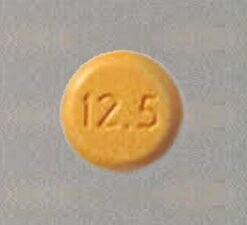
Buy adderall online
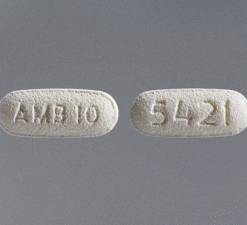
Buy Ambien Online
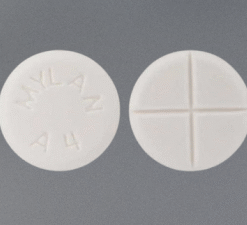
Buy Alprazolam Online
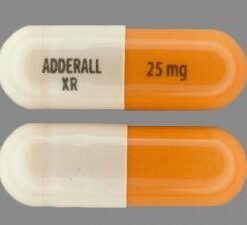
Buy adderall online
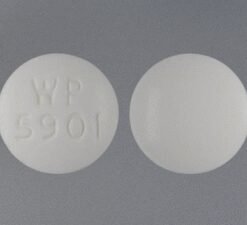
Buy Carisoprodol Online
Buy Carisoprodol 250mg Online – Fast Shipping | EasyMedStore
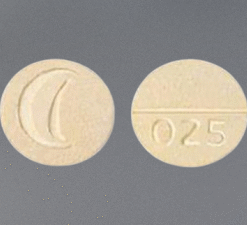
Buy Alprazolam Online
Buy Adipex-P Online
Buy adderall online