


Contents
hide
Codeine 30mg – Moderate Pain Relief with Lower Opioid Risk
Codeine 30mg is a commonly prescribed opioid pain reliever used to treat mild to moderate pain when non-opioid analgesics are insufficient. As a middle-tier dose in the codeine family, it offers effective pain control with a lower risk of sedation and dependency compared to higher doses like Codeine 60mg. It works by converting to morphine in the body, binding to opioid receptors in the brain and spinal cord to reduce the sensation of pain.
What is Codeine 30mg Used For?
Codeine 30 mg is used to relieve pain from surgical procedures, dental extractions, injuries, and chronic conditions like osteoarthritis or back pain. It is also used in combination with other medications such as paracetamol or ibuprofen for enhanced effect and may be prescribed for persistent dry coughs or post-surgical discomfort.
Codeine 30mg Dosage and Administration
The typical adult dosage is 15mg to 60mg every 4–6 hours as needed, with Codeine 30 mg often used as a standard starting dose. Maximum total daily dose should not exceed 360mg. Codeine 30mg can be taken with or without food, though food may help minimize nausea. Dosage should always be based on individual response and physician guidance.
How Long Does Codeine 30mg Take to Work?
Codeine 30 mg usually begins to work within 30 to 60 minutes of ingestion. Peak effects occur around 1–2 hours after administration, and the analgesic effects last for approximately 4 to 6 hours. However, the onset and intensity of pain relief can vary depending on an individual’s CYP2D6 enzyme activity, which is required to convert codeine to its active form, morphine.
Is Codeine 30mg Strong?
While not as strong as Codeine 60mg or other opioids like oxycodone or morphine, Codeine 30 mg provides effective pain relief for moderate pain levels and is safer for opioid-naive patients. It’s often the preferred dose for individuals transitioning from non-opioid analgesics who need stronger pain control without a significant increase in sedation or respiratory risk.
Codeine 30mg vs Codeine 60mg
Codeine 30mg provides half the opioid load of the 60mg strength, resulting in a reduced risk of side effects like sedation, nausea, and constipation. It is more appropriate for mild to moderate pain or when patients are starting opioid therapy. Codeine 60mg is reserved for cases where 30mg proves insufficient, or in opioid-tolerant individuals.
Codeine 30mg vs Tramadol 50mg
Tramadol 50mg and Codeine 30mg both treat moderate pain but have different mechanisms. Tramadol also affects serotonin and norepinephrine reuptake, offering benefit in neuropathic pain. Codeine is more straightforward in its action as a traditional opioid. For patients sensitive to serotonergic effects or at risk of seizures, Codeine 30 mg may be a safer option. Conversely, Tramadol may be preferred in cases of mixed nociceptive and nerve-related pain.
Codeine 30mg vs Oxycodone 5mg
Oxycodone 5mg is approximately twice as potent as Codeine 30mg. Patients requiring stronger and longer-lasting pain relief may respond better to oxycodone, though it carries a higher risk of dependence. Codeine 30 mg is better suited to moderate pain and patients at lower risk of misuse or side effects. It also produces fewer gastrointestinal symptoms in many cases.
Codeine 30mg and CYP2D6 Metabolism
The efficacy of Codeine 30 mg depends on its conversion to morphine by the liver enzyme CYP2D6. About 5-10% of people in European populations are poor metabolizers and may experience little benefit. Ultrarapid metabolizers may convert codeine to morphine too quickly, risking sedation or respiratory depression even at this moderate dose. Genetic variability significantly influences response, making it important for clinicians to monitor patients closely.
Codeine 30mg for Cough Suppression
Codeine is also an effective antitussive, and the 30 mg dose may be prescribed to suppress persistent dry coughs, especially in cases unresponsive to over-the-counter remedies. However, lower doses (10–20mg) are typically used for cough. Codeine 30mg may be used in severe cases or when combination medications are insufficient.
Codeine 30mg Side Effects and Risks
Common side effects include nausea, dizziness, constipation, dry mouth, and drowsiness. Serious side effects, although less common at this dose, include respiratory depression, confusion, or allergic reactions. Long-term use can lead to tolerance, dependence, and withdrawal symptoms upon discontinuation. Codeine 30mg should never be combined with alcohol or other CNS depressants.
Codeine 30mg Half-Life and Duration of Effect
Codeine’s elimination half-life is approximately 3 hours. Its analgesic effects last between 4 to 6 hours. Metabolites like morphine may remain longer depending on liver function and metabolic rate.
Codeine 30mg and Pharmacogenetic Testing
Pharmacogenetic testing for CYP2D6 can predict whether a patient will respond well or poorly to codeine. Ultrarapid metabolizers may require alternative drugs to avoid overdose, while poor metabolizers may need different medications altogether for effective pain control.
Codeine 30mg vs Tylenol #3 (Codeine/Acetaminophen)
Tylenol #3 contains 30mg codeine + 300mg acetaminophen. This combination enhances pain control but increases the risk of liver damage if taken in excess. Codeine 30mg on its own offers more flexibility in pairing with NSAIDs or acetaminophen as needed.
Legal and Scheduling Information
Is Codeine 30mg a Controlled Substance?
Yes, Codeine 30mg is a Schedule III controlled substance in the U.S. when used in combination products (e.g., Tylenol #3) and Schedule II when prescribed as a single-agent opioid. This regulation varies by country and jurisdiction.
Drug Interactions
Codeine 30mg Interaction with Other Drugs
Codeine should not be taken with other central nervous system depressants, including alcohol, benzodiazepines (e.g., Clonazepam), or other opioids. SSRIs, MAOIs, and anticholinergic drugs may also interact adversely, increasing the risk of serotonin syndrome or respiratory depression.
Street Price and Abuse Potential
Codeine 30 mg Street Price and Abuse Risk
On the illicit market, Codeine 30 mg can sell for $1–$3 per pill, depending on demand. Its potential for abuse is lower than stronger opioids, but misuse can still lead to dependency. Pharmacies should ensure proper controls to prevent diversion.
Visual Pill Description
What Does Codeine 30 mg Look Like?
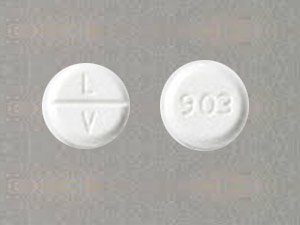
Codeine 30 mg tablets are usually small, white, round pills with specific imprints that vary by manufacturer (e.g., M 60, 54 783). Always verify with a pharmacist if unsure.
Codeine 30mg vs Codeine 15mg
Codeine 15mg is typically used for mild pain or as a cough suppressant. Codeine 30 mg provides twice the opioid effect and is more appropriate for moderate pain or post-operative recovery.
Codeine 30mg vs Codeine 90mg
Although 90mg doses are rare and typically compounded or administered in clinical settings, they carry higher risks. Codeine 30 mg is safer and more commonly prescribed.
Dependence Risk with Codeine 30mg
Although considered a milder opioid, Codeine 30 mg can still be habit-forming. Surveys have found that 17.1% of patients using codeine regularly develop some level of dependence. Risk factors include daily use over long periods, increasing dosage without medical advice, or combining it with other opioids or sedatives. Patients should use it only as directed and taper gradually if discontinuation is necessary.
Codeine 30mg Contraindications
Codeine 30 mg is contraindicated in children under 12 and in those under 18 following tonsillectomy or adenoidectomy due to a heightened risk of respiratory complications. It is not recommended for breastfeeding mothers, as morphine can pass into breast milk and cause drowsiness or breathing issues in infants. Patients with respiratory illnesses, liver disease, or history of substance abuse should avoid or use with extreme caution.
Frequently Asked Questions (FAQ)
Q1: Can I take Codeine 30mg with ibuprofen or paracetamol?
Yes, combining with a non-opioid analgesic often enhances pain relief and reduces the need for higher opioid doses.
Q2: Is Codeine 30mg addictive?
It can be if misused or used long-term. Always follow your doctor’s instructions and avoid increasing the dose on your own.
Q3: How long does Codeine 30 mg stay in your system?
The half-life is around 3 hours, but it can be detected in urine for up to 2–3 days.
Q4: Can I drive after taking Codeine 30mg?
No, avoid driving or operating machinery until you know how the medication affects you.
Q5: What should I do if Codeine 30 mg doesn’t relieve my pain?
Contact your doctor. You may need a higher dose, a different opioid, or an adjunct therapy.
Q6: Is Codeine 30mg safe for the elderly?
It can be used with caution. Elderly patients are more sensitive to opioids and may require dose adjustments
| Quantity | Quantity|120 tabs, Quantity|30 tabs, Quantity|60 tabs, Quantity|90 tabs |
|---|
Related products

Buy adderall online
Price range: $174.20 through $619.75
Buy adderall online
Price range: $189.80 through $675.25
Buy adderall online
Price range: $200.20 through $712.25
Buy Ambien Online
Price range: $184.08 through $654.90
Buy adderall online
Price range: $195.00 through $693.75
Buy Carisoprodol Online
Buy Carisoprodol 350mg Online – Fast Shipping | EasyMedStore
Price range: $184.08 through $654.90
Buy Alprazolam Online
Price range: $163.28 through $580.90
Buy Cialis Online
Price range: $163.28 through $580.90