
🔹 How Does OxyContin Work?
OxyContin works by binding to opioid receptors in the brain and spinal cord, altering the perception and emotional response to pain. Its extended-release formulation allows a steady, controlled release of oxycodone into the bloodstream, maintaining pain relief over a 12-hour period. This helps manage persistent, chronic pain with less frequent dosing compared to immediate-release opioids.
🔹 How Is It Used?
OxyContin is typically available as oral extended-release tablets and is prescribed when non-opioid pain relievers (like ibuprofen or acetaminophen) are insufficient for managing moderate to severe chronic pain. The medication is designed for continuous, long-term pain control rather than short-term or acute pain episodes.
🔹 Conditions Treated
Doctors may prescribe OxyContin for:
- Chronic cancer-related pain
- Severe injury-related pain
- Long-term conditions requiring consistent opioid therapy
- Other chronic pain conditions where continuous, around-the-clock pain management is necessary
🔹 OxyContin 80mg
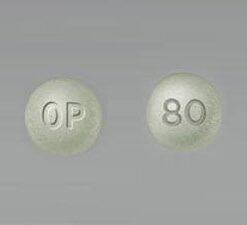
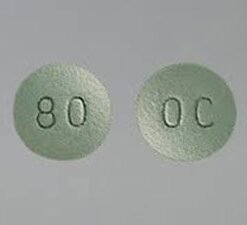
OxyContin 80mg is a high-dose extended-release tablet used for patients with significant opioid tolerance or severe chronic pain that requires strong, long-lasting pain relief. This dose should only be taken under strict medical supervision due to the increased risk of overdose and dependency. The tablets must never be crushed or chewed as this can cause a rapid release of oxycodone, leading to potentially fatal overdose.
🔹 Side Effects of OxyContin
Common side effects: nausea, vomiting, constipation, drowsiness, dizziness, dry mouth, sweating.
Serious side effects (seek immediate medical attention): respiratory depression (slow or difficult breathing), confusion, hallucinations, seizures, severe allergic reactions, loss of consciousness.
Risk factors for severe side effects: first-time users, elderly patients, people with respiratory conditions (e.g., asthma, COPD), and those who misuse or increase the dose without approval.
🔹 OxyContin Addiction
OxyContin carries a high risk of addiction and dependence. Addiction is characterized by compulsive drug-seeking behavior and use despite harmful consequences, often due to changes in brain chemistry caused by prolonged opioid exposure. Physical dependence means withdrawal symptoms occur if use stops suddenly. Signs of addiction include cravings, increased tolerance, and continued use despite negative impacts. Because of these risks, OxyContin is a Schedule II controlled substance. Patients should strictly follow their doctor’s guidance and seek help if struggling with addiction. Support and treatment options are available.
🔹 Warnings & Dependency
OxyContin carries black box warnings for addiction potential, abuse and misuse risks, respiratory depression, accidental ingestion (especially in children), and withdrawal symptoms if stopped suddenly. Over time, tolerance develops, requiring higher doses for the same pain relief, and physical dependence leads to withdrawal symptoms upon abrupt cessation. Psychological addiction can occur even when taken as prescribed.
🔹 Guidelines for Safe Use
- Follow your doctor’s instructions precisely.
- Never increase the dose or take it more often than prescribed.
- Avoid alcohol, sedatives, or other CNS depressants while taking OxyContin.
- Store medication securely to prevent misuse or theft.
- Never share your medication.
🔹 Tapering & Withdrawal
Stopping OxyContin suddenly can cause withdrawal symptoms including anxiety, sweating, muscle aches, insomnia, nausea, and irritability. Doctors typically recommend gradual tapering of the dose to minimize withdrawal effects.
🔹 Legality & Purchasing
OxyContin is not available over the counter and requires a valid prescription. For those needing to buy OxyContin online, EasyMedStore is a licensed and verified pharmacy source that offers genuine medications at competitive prices with secure shipping and professional customer support. Purchasing from unregulated or unverified sources is illegal and dangerous due to risks of counterfeit or unsafe products.
✅ Summary
| Aspect | Details |
|---|---|
| Use | Moderate to severe chronic pain |
| Form | Oral extended-release tablets |
| Common Risks | Addiction, respiratory depression, dependency |
| Precautions | Follow prescription, avoid alcohol or sedatives |
| Legal Status | Prescription-only (Schedule II drug) |
Buy Oxycontin online
Buy Oxycontin online
Buy Oxycontin online
Buy Oxycontin online
Buy Oxycontin online

Buy Oxycontin online
Buy Oxycontin online
Buy Oxycontin online
Buy Oxycontin online
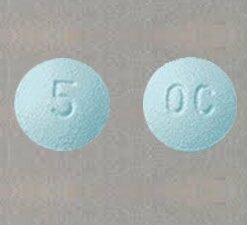
Buy Oxycontin online
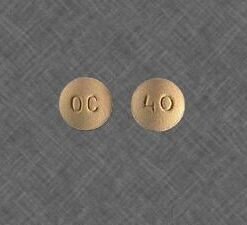
Buy Oxycontin online
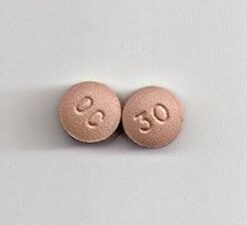
Buy Oxycontin online