
Oxycodone is a semi-synthetic opioid prescribed for moderate to severe pain. It works by binding to opioid receptors in the brain and spinal cord, altering the perception and emotional response to pain. It is classified as a Schedule II controlled substance in the U.S., which means it has recognized medical use and also has high potential for abuse, dependence, and addiction.
🔹 How Is It Used?
Oxycodone is available in multiple oral formulations: Immediate-release (IR) – fast-acting, often used for acute pain (e.g., after surgery); Extended-release (ER) – slow-acting, used for chronic pain (e.g., cancer or long-term back pain); and as liquid, tablets, capsules, or concentrated oral solutions. The drug is typically prescribed when non-opioid pain relievers (like ibuprofen or acetaminophen) are not effective.
🔹 Conditions Treated
Doctors may prescribe oxycodone for post-surgical pain, cancer-related pain, injury-related pain, chronic pain conditions (e.g., arthritis, neuropathy), and breakthrough pain in patients already on long-term opioids.
🔹 Side Effects of Oxycodone
Common side effects: nausea or vomiting, constipation, drowsiness, dizziness, dry mouth, sweating.
Serious side effects (seek immediate medical attention): respiratory depression (slowed or difficult breathing), confusion or hallucinations, seizures, severe allergic reactions, loss of consciousness.
Risk factors for severe side effects: first-time users, elderly patients, people with respiratory conditions (e.g., asthma, COPD), and those who misuse or increase the dose without approval.
Oxycodone carries black box warnings due to addiction potential, abuse and misuse risks, respiratory depression, accidental ingestion (especially in children), and withdrawal symptoms if stopped suddenly. Over time, your body can develop tolerance – needing higher doses for the same effect, and dependence – experiencing withdrawal if you stop taking it. Note: Psychological addiction (craving, compulsive use) can occur even in patients taking it as prescribed.
🔹 Guidelines for Safe Use
Follow your doctor’s instructions precisely.
Never increase the dose or take it more often than prescribed.
Avoid alcohol, sedatives, or other CNS depressants while taking oxycodone.
Store it securely to prevent misuse or theft.
Never share your medication.
🔹 Tapering & Withdrawal
Stopping oxycodone suddenly can lead to withdrawal symptoms, including anxiety, sweating, muscle aches, insomnia, nausea, and irritability. Doctors usually taper the dose gradually to minimize withdrawal effects.
Oxycodone is not available over the counter and requires a valid prescription. Buying it online is only legal through licensed and regulated pharmacies. Purchasing from unverified or overseas sources can be illegal, lead to receiving counterfeit or dangerous drugs, and risk serious legal and health consequences.
✅ Summary
Aspect Details
Use Moderate to severe pain
Form Oral (tablets, capsules, solution)
Common Risks Addiction, respiratory depression, dependency
Precautions Follow prescription, avoid alcohol or sedatives
Legal Status Prescription-only (Schedule II drug)
Buy Oxycodone Online
Buy Oxycodone Online
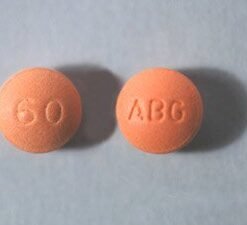
Oxycodone 60 mg – Strong Extended Pain Relief Delivered Safely
Buy Oxycodone Online
Buy Oxycodone Online
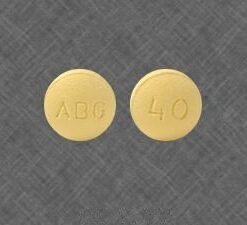
Oxycodone 40mg Tablets – Trusted Extended-Release Pain Relief
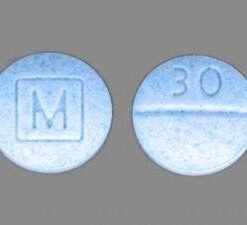
Buy Oxycodone Online
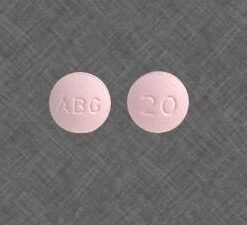
Buy Oxycodone Online
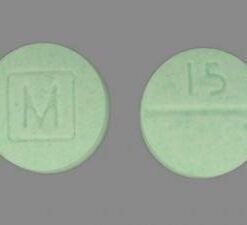
Buy Oxycodone Online
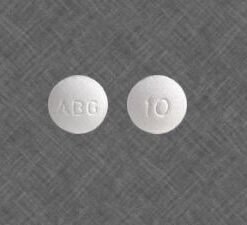
Buy Oxycodone Online