
Methadone Dosage
Methadone dosage varies depending on its use for either pain management or opioid dependence treatment. For chronic pain, doses typically start at 2.5 mg every 8 to 12 hours, gradually increasing based on individual tolerance and clinical response. For opioid use disorder, methadone is usually initiated at 20–30 mg once daily, with cautious titration to avoid overdose. Because of methadone’s long half-life, improper dose increases can cause dangerous drug accumulation, making medical supervision essential.
Methadone Side Effects
Common side effects of methadone include drowsiness, constipation, nausea, sweating, dry mouth, and lightheadedness. More serious risks involve respiratory depression, irregular heartbeat (QT prolongation), dangerously low blood pressure, and hormonal disruptions. Methadone may also impair mental alertness, which can affect daily functioning. People with existing lung, liver, or heart conditions face heightened risk and must be monitored closely during treatment.
Methadone Addiction
Methadone, while used as a treatment for opioid addiction, can itself be addictive when misused. It is a full opioid agonist, meaning it can produce euphoric effects at higher doses. Dependence can develop even under medical supervision, particularly if methadone is taken for an extended period. Signs of addiction include cravings, compulsive use, dose escalation without guidance, and using methadone for non-medical reasons.
Methadone Withdrawal Symptoms
Withdrawal symptoms from methadone can begin 24–48 hours after the last dose and typically include muscle aches, insomnia, sweating, irritability, runny nose, anxiety, nausea, and diarrhea. Because of methadone’s extended half-life, withdrawal may last longer than with shorter-acting opioids. Tapering the dose under medical supervision is the safest approach to reduce symptoms and prevent relapse.
Methadone vs Buprenorphine
Methadone and buprenorphine are both used in medication-assisted treatment (MAT) for opioid dependence, but they function differently. Methadone is a full agonist, offering stronger withdrawal suppression and a longer treatment history. Buprenorphine is a partial agonist, associated with a ceiling effect that lowers overdose risk. Methadone may be preferred for individuals with high opioid tolerance, while buprenorphine is often selected for outpatient or office-based settings. The choice depends on patient needs, clinical goals, and access to care.
Methadone for Pain Relief
Methadone is prescribed for long-term pain in patients who are unresponsive to other opioids or who experience intolerable side effects. It’s especially effective for neuropathic pain due to its action on NMDA receptors in addition to opioid receptors. Its long duration allows for fewer daily doses, but due to its potential for accumulation and interactions, it should only be used in pain management by professionals experienced in opioid rotation and titration.
Methadone Long Half Life
Methadone’s half-life ranges from 8 to 60 hours or more depending on the person’s metabolism, age, liver function, and other factors. This variability is why it’s both effective for once-daily dosing and potentially dangerous if not carefully managed. The drug may stay in the body long after the effects wear off, increasing the risk of respiratory depression if redosed too soon. Careful scheduling and patient monitoring are critical when using methadone for either pain or addiction.
Methadone Misuse and Snorting
Misusing methadone, especially by crushing and snorting tablets, is extremely dangerous. Snorting bypasses the digestive system and floods the brain with the drug rapidly, leading to intense sedation, respiratory suppression, and an increased risk of fatal overdose. It also damages nasal tissue and can rapidly accelerate dependence. Snorting methadone is a clear sign of opioid misuse and requires immediate clinical intervention.
Can You Buy Methadone Online
Methadone can be purchased online through the store, which offers secure delivery of prescription opioid medications from certified pharmacies. Always ensure that the product is sourced from a regulated provider with clear labeling, dosing guidelines, and legal prescription requirements. Avoid any online sellers that offer methadone without a prescription or without proper medical oversight, as these may distribute counterfeit or dangerously altered products.
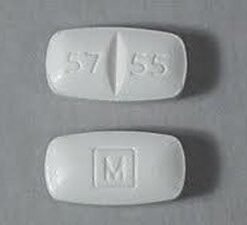
Buy Methadone Online
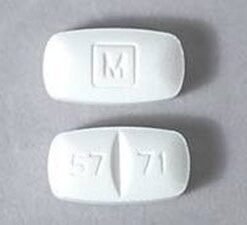
Buy Methadone Online