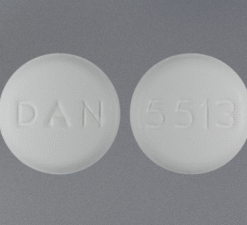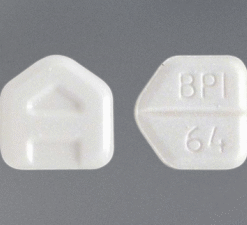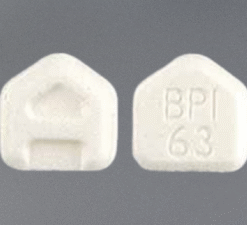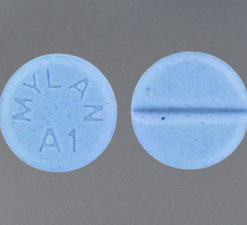


Codeine 60mg
Price range: $210.60 through $749.25
Premium Codeine 60mg tablets. Trusted for ADHD treatment. Order today for fast, discreet delivery from EasyMedStore.
Available Options
| Thumbnail | Quantity | Price | Quantity | |
|---|---|---|---|---|
 | Quantity|30 tabs | $210.60 | ||
| Quantity|60 tabs | $405.00 | ||
| Quantity|90 tabs | $546.75 | ||
| Quantity|120 tabs | $749.25 |
Codeine 60mg Tablets – Effective Opioid Pain Relief for Moderate Pain
Codeine 60mg tablets are a prescription opioid analgesic used to treat moderate pain and persistent cough. This strength is typically prescribed when lower doses of codeine (15mg or 30mg) have not been effective. Codeine belongs to the class of opioid agonists and works by binding to mu-opioid receptors in the brain and central nervous system, altering the way pain is perceived and experienced. Codeine 60mg is often combined with non-opioid analgesics such as acetaminophen or aspirin for synergistic effect but is also available as a standalone preparation for patients who require stronger single-agent opioid relief.
What is Codeine 60mg Used For?
Codeine 60mg is used to treat moderate pain from surgical procedures, musculoskeletal injuries, post-trauma recovery, dental pain, cancer-related pain, and persistent dry cough that doesn’t respond to non-opioid medications. It is also used off-label in certain cases of migraine, fibromyalgia, and severe diarrhea when other medications fail. This strength is typically reserved for patients who have some opioid tolerance or need a higher dose for breakthrough pain.
Codeine 60mg Dosage and Administration
The usual adult dosage is 15mg to 60mg every 4 to 6 hours as needed. The 60mg strength is typically used for more intense episodes of moderate pain and may be prescribed up to 4 times daily, not exceeding 360mg per day. Codeine is metabolized in the liver by the CYP2D6 enzyme into morphine, its active metabolite. Variability in this metabolism can lead to differing levels of effectiveness or increased side effects in ultra-rapid or poor metabolizers. Patients should be started on the lowest effective dose and monitored closely. Avoid combining with alcohol, benzodiazepines, or other central nervous system depressants.
How Long Does Codeine 60mg Take to Work?
When taken orally, Codeine 60mg begins to work within 30 to 60 minutes. Peak plasma concentrations occur around 1 to 2 hours after ingestion, and the analgesic effect generally lasts about 4 to 6 hours. Its onset may vary depending on the individual’s metabolism, presence of food in the stomach, and concurrent medications.
Is Codeine 60mg Strong?
Codeine 60mg is considered a moderately strong opioid dose and is stronger than many over-the-counter painkillers or low-dose prescription opioids. It provides effective relief for moderate pain but is not suitable for severe or chronic pain conditions on its own. It is less potent than morphine, oxycodone, or hydromorphone but may be preferred for its milder side effect profile in some patients.
Codeine 60mg vs Codeine 30mg
Codeine 60mg provides twice the dosage and is more effective for patients who have not responded to 30mg. However, the risk of side effects such as drowsiness, nausea, constipation, and respiratory depression increases at higher doses. The 60mg dose is typically used in opioid-tolerant individuals or for more intense pain episodes.
Codeine 60mg vs Tramadol 50mg
Both are used for moderate pain, but Tramadol also has serotonin and norepinephrine reuptake inhibition properties. Tramadol may have a lower risk of respiratory depression but a higher risk of seizures and serotonin syndrome. Codeine is generally considered more straightforward in action, while Tramadol has more complex interactions. Codeine 60mg offers stronger opioid analgesia than Tramadol 50mg.
Codeine 60mg vs Oxycodone 5mg
Oxycodone is significantly stronger per milligram than codeine. 60mg of codeine roughly equates to 9mg to 10mg of oral morphine, while 5mg of oxycodone is approximately 7.5mg morphine equivalent. Therefore, Codeine 60 mg provides slightly more analgesia than Oxycodone 5mg but with a gentler onset and longer side-effect window. Oxycodone is faster-acting and more suited for intense breakthrough pain.
Codeine 60mg vs Hydrocodone 10mg
Hydrocodone 10mg is approximately equal in strength to 60mg of codeine. However, hydrocodone may offer more consistent pain relief with fewer gastrointestinal side effects. Codeine 60mg is often used when hydrocodone is not available or tolerated.
Codeine 60mg vs Non-Opioid Pain Relievers
Compared to NSAIDs like ibuprofen or acetaminophen, Codeine 60 mg provides more powerful relief for visceral or nerve-related pain. However, NSAIDs may be more effective in inflammatory conditions like arthritis and carry a lower risk of dependency. When used short-term, combining NSAIDs with codeine can enhance pain control without significantly increasing adverse effects.
Side Effects of Codeine 60mg
Common side effects include drowsiness, dizziness, nausea, vomiting, constipation, lightheadedness, and dry mouth. Serious side effects may include slowed breathing, low blood pressure, confusion, itching, and allergic reactions. Risk increases with higher doses or when combined with other CNS depressants. Elderly patients, those with respiratory disorders, or individuals with compromised liver or kidney function require dosage adjustments or alternative therapies.
Codeine Metabolism and CYP2D6 Variability
The effectiveness of codeine is significantly impacted by the CYP2D6 enzyme. Ultra-rapid metabolizers may convert codeine into morphine too quickly, leading to toxic effects, while poor metabolizers may find it ineffective. Genetic testing is not routine but may be considered in cases of poor response or excessive side effects. Children under 12 and breastfeeding mothers should avoid codeine due to risk of life-threatening respiratory depression in ultra-rapid metabolizers.
CYP2D6 Genetic Variability and Codeine Effectiveness
The effectiveness and safety of Codeine 60 mg depend heavily on the CYP2D6 liver enzyme. Around 5-10% of Caucasians are poor metabolizers who do not convert codeine effectively to morphine, resulting in weak pain relief. In contrast, 1-10% of the population are ultrarapid metabolizers, who convert codeine to morphine too quickly, risking overdose or respiratory depression—even at standard doses. Among North African, Ethiopian, and Arab populations, the rate of ultrarapid metabolism may be as high as 30%.
Special Populations and Contraindications
Codeine 60 mg is contraindicated in children under 18 undergoing tonsillectomy or adenoidectomy for sleep apnea due to a higher risk of fatal respiratory depression. It is also not recommended for breastfeeding mothers, especially if the mother is an ultrarapid metabolizer. The active metabolite (morphine) can pass into breast milk and cause sedation or respiratory distress in infants. Caution is also advised in elderly patients and those with renal or hepatic impairment.
Risk of Dependence and Misuse
In a UK/Ireland study, 17.1% of respondents using codeine scored high on the Severity of Dependence Scale. Risk factors included daily use, “pharmacy shopping,” and exaggerating symptoms to obtain more medication. Though Codeine 60mg is less potent than morphine or oxycodone, dependence can occur with extended or unsupervised use. Patients should avoid abrupt cessation after prolonged therapy due to withdrawal symptoms such as restlessness, insomnia, nausea, and flu-like discomfort.
Codeine 60mg for Cough
While Codeine is a known antitussive (cough suppressant), 60mg is higher than typically needed for this purpose. Doses of 10-20mg are generally used to suppress dry coughs. Codeine 60mg may be prescribed in rare, treatment-resistant cases but is not a first-line therapy for coughing due to sedation and respiratory risks.
Codeine 60mg and Addiction Risk
As with all opioids, Codeine 60mg has a risk of dependence, tolerance, and addiction. Long-term use should be avoided unless absolutely necessary and always under close medical supervision. Patients should not stop codeine abruptly after extended use, as withdrawal symptoms can include anxiety, insomnia, sweating, and gastrointestinal discomfort.
Can Codeine 60mg Be Used for Cough?
Yes, but this dosage is high for antitussive purposes. Typically, 10mg to 20mg doses are sufficient to suppress cough. Codeine 60 mg may be used in refractory cases under specialist supervision, especially when lower doses fail, but the risk of sedation and respiratory depression must be considered.
Codeine 60mg vs Non-Opioid Painkillers
Compared to NSAIDs like ibuprofen or naproxen, Codeine 60 mg offers stronger pain relief for nerve, post-surgical, or visceral pain. However, NSAIDs may be more effective for inflammatory conditions like arthritis and carry a lower risk of dependence. Combination therapy may be used in short-term management.
Frequently Asked Questions (FAQ)
Q1: Can I take Codeine 60mg on an empty stomach? Yes, but it may cause nausea. Taking with food or milk is often recommended.
Q2: How often can I take Codeine 60mg? Usually every 4–6 hours, not exceeding 360mg per 24 hours.
Q3: Is Codeine 60mg stronger than Tramadol? Yes, Codeine 60mg generally provides stronger opioid analgesia.
Q4: Can I crush or chew Codeine 60mg tablets? No, it should be swallowed whole unless otherwise directed.
Q5: Does Codeine 60mg make you sleepy? Yes, drowsiness is a common side effect and driving or operating machinery should be avoided.
Q6: How long does Codeine 60mg last? Pain relief typically lasts 4 to 6 hours.
Q7: Can I take Codeine 60mg with ibuprofen? Yes, this combination is often used for enhanced pain relief, but only under medical supervision.
Q8: Is Codeine 60mg safe for elderly patients? Caution is advised. Start with lower doses and monitor for
| Quantity |
Quantity|120 tabs ,Quantity|30 tabs ,Quantity|60 tabs ,Quantity|90 tabs |
|---|